Overview
The retail landscape in the Netherlands is undergoing a significant transformation, driven by evolving consumer expectations and emerging retailtainment trends. Traditional shopping districts are no longer just about transactions; they have become vibrant hubs where entertainment and retail converge to offer an enriched shopping experience. This shift is particularly noticeable in Dutch retail centers, where merchants are innovating to captivate consumers and enhance their engagement.
As online shopping grows, physical retail faces the challenge of maintaining foot traffic and customer loyalty. Retailtainment—blending retail with entertainment—emerges as a strategic response to this challenge. By integrating immersive experiences, interactive elements, and social activities, Dutch shopping districts are redefining how people shop and spend leisure time.
Entertainment retail is proving to be a powerful tool in urban commercial planning, contributing not only to increased sales but also to a more dynamic and attractive city atmosphere. The rise of retailtainment aligns with broader urban trends, emphasizing experience economy principles where consumers value memorable, engaging encounters over mere product acquisition.
“Retailtainment is reshaping Dutch shopping districts by turning retail spaces into destinations where consumers seek enjoyment as much as products.”
This article explores the definition of retailtainment, its notable examples in the Netherlands, the benefits it yields for retailers, consumer engagement techniques, and its promising future in the Dutch market.
Definition of retailtainment
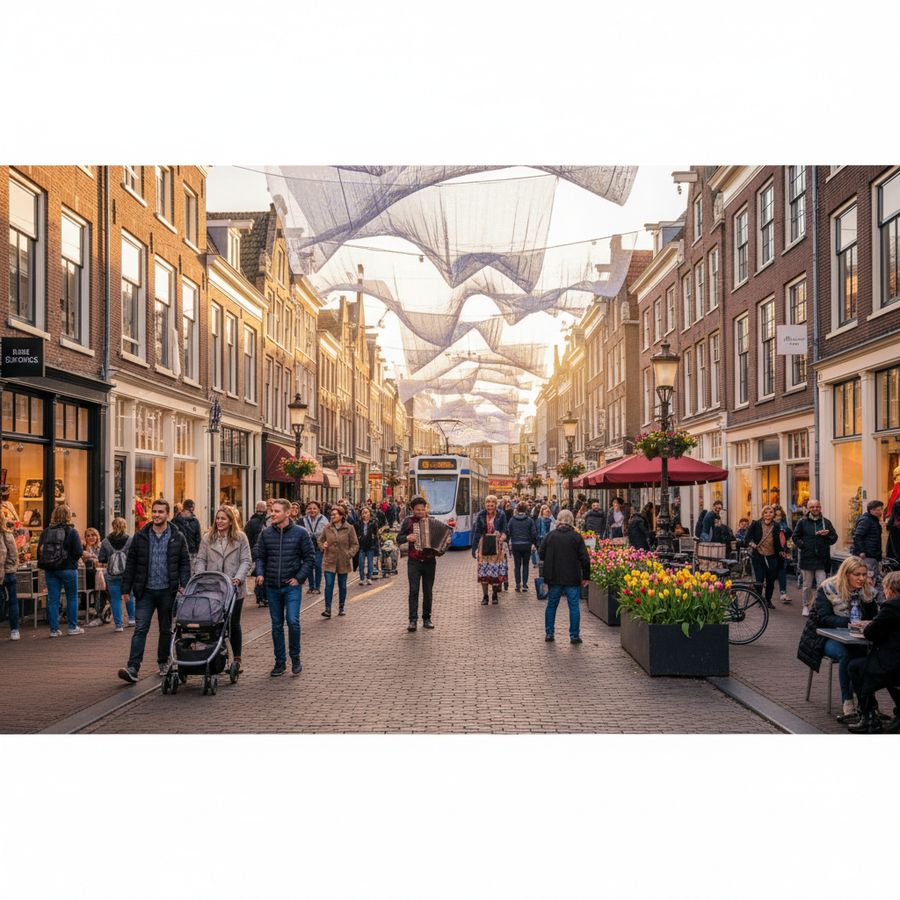
Retailtainment is a marketing and retail strategy that combines shopping with entertainment to create an immersive and engaging environment for consumers. It goes beyond traditional retail by incorporating elements such as live events, interactive displays, themed environments, and digital experiences to transform shopping centers into experiential destinations.
This concept aims to stimulate the senses, evoke emotions, and foster social interaction, thereby enhancing the overall shopping experience. Retailtainment blurs the lines between commerce and leisure, encouraging customers to spend more time in stores or shopping districts, which often leads to increased sales and stronger brand loyalty.
Fundamentally, retailtainment capitalizes on the rising consumer demand for experiences rather than just products. In the context of Dutch retail, it involves tailoring these entertaining elements to local culture and consumer preferences, making shopping districts more vibrant and destination-worthy.
Key characteristics of retailtainment include:
- Immersive environments: Themed decor and sensory stimulation.
- Interactive experiences: Opportunities for hands-on participation.
- Live entertainment: Performances, workshops, or events within retail spaces.
- Technology integration: Use of augmented reality, virtual reality, or digital installations.
- Social engagement: Creating spaces for community interaction and socializing.
Consumer engagement through retailtainment is a driving force in modern retail strategies, particularly as businesses compete with the convenience of e-commerce by offering unique in-person experiences.
Examples in the Netherlands
The Netherlands has embraced retailtainment with various innovative implementations across its cities. Dutch shopping districts are increasingly incorporating entertainment elements that resonate with local consumers while enhancing consumer engagement and footfall.
One compelling example is the Rotterdam Warme Winter Weken, where the city center transforms into a festive winter wonderland featuring light installations, entertainment stages, and interactive activities. This event not only boosts the atmosphere but also supports retailers by attracting visitors during the crucial holiday season.
In Amsterdam, flagship stores like the newly opened HOFF store on Leidsestraat integrate unique design elements and interactive zones that invite shoppers to explore the brand story in an engaging way. These types of entertainment retail formats are becoming increasingly popular as they provide an experiential layer that traditional stores lack.
Another notable example lies in the southern region of Zuid-Limburg, where shopping streets organize seasonal events and cultural festivals that blend retail with local traditions, music, and gastronomy. These initiatives create a festive ambiance that encourages longer visits and repeat patronage.
Moreover, mixed-use developments in cities such as Amstelveen, with projects like Redevco’s sustainable retail flagship transformation, incorporate retailtainment concepts within a broader urban context, combining shopping with leisure and community experiences.
These examples demonstrate how Dutch retail districts actively leverage entertainment to revitalize shopping areas and compete effectively in an evolving retail landscape.
Benefits for retailers
Retailtainment offers multiple advantages for retailers operating within Dutch shopping districts, making it a strategic approach to counteract the challenges posed by online shopping and changing consumer behaviors.
First and foremost, retailtainment enhances consumer engagement by creating memorable experiences that foster emotional connections between shoppers and brands. This emotional resonance often translates into increased loyalty and higher conversion rates.
By integrating entertainment elements, retailers can differentiate themselves in a crowded market, making their stores or districts stand out and become destinations rather than mere points of purchase. This differentiation is crucial in attracting diverse consumer segments, including younger generations who value experiences highly.
Retailtainment also encourages consumers to spend more time in retail environments, which typically correlates with increased spending. The longer a shopper remains engaged, the more opportunities arise for cross-selling and upselling.
Additionally, these strategies can generate valuable word-of-mouth marketing and social media buzz, amplifying brand reach organically. Events and immersive experiences often prompt consumers to share their visits online, enhancing visibility for retailers.
Finally, retailtainment can contribute to revitalizing entire shopping districts, benefiting not only individual retailers but also landlords, municipalities, and the local economy by increasing foot traffic and reducing retail vacancy rates.
“Retailtainment transforms retail spaces into destinations, offering retailers a competitive edge through enhanced consumer engagement and increased dwell time.”
Consumer engagement techniques
Effective consumer engagement is at the heart of retailtainment, and Dutch retailers employ a variety of techniques to captivate shoppers and elevate the shopping experience. These techniques focus on interaction, personalization, and creating emotional connections.
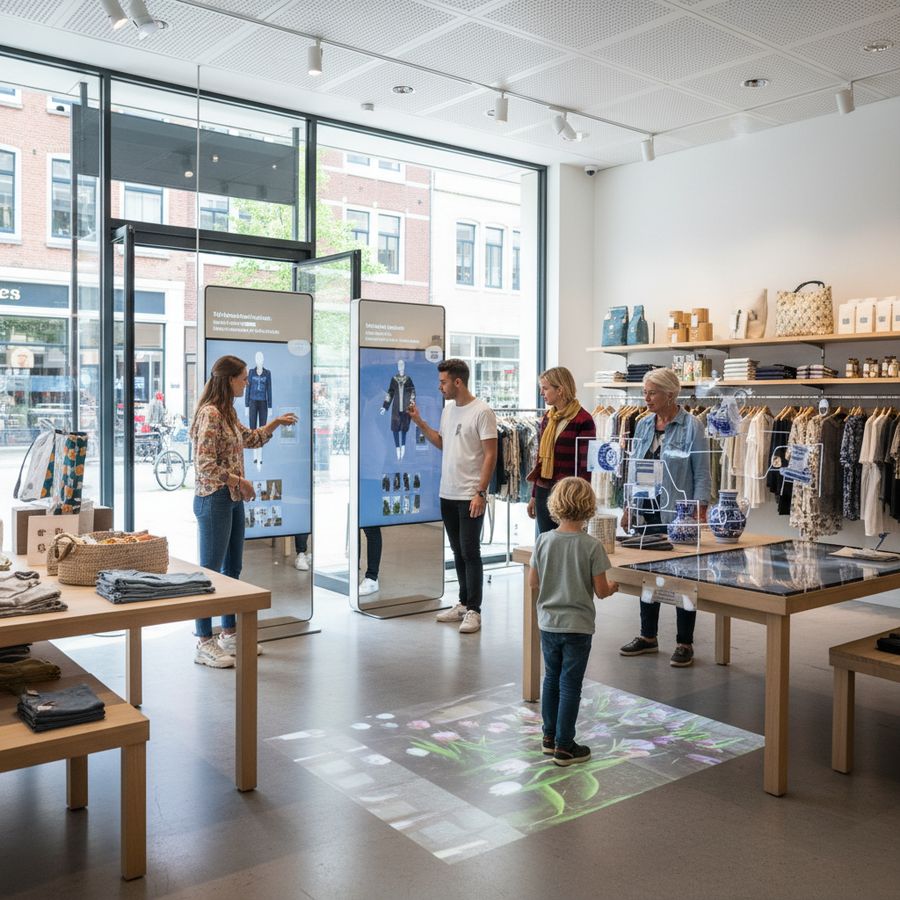
Interactive installations are widely used to invite customers to participate actively rather than passively observe. This can include touchscreens, virtual fitting rooms, or gamified shopping elements that make the experience fun and memorable.
Live events and performances such as music concerts, art exhibitions, and workshops provide dynamic entertainment that draws crowds and creates a festive ambiance in shopping districts. These events often tie in with product launches or seasonal promotions.
Technology integration plays a pivotal role, with augmented reality (AR) and virtual reality (VR) experiences allowing consumers to engage with products in innovative ways. For example, AR apps can enable shoppers to visualize furniture in their homes or try on virtual makeup.
Personalization and storytelling are also essential. Retailers use data insights to tailor recommendations and experiences to individual shoppers, making interactions more relevant and impactful.
Community-building activities like social spaces, pop-up markets, and local collaborations encourage social interaction and create a sense of belonging, which deepens consumer engagement.
- Immersive sensory experiences (lighting, sound, scent)
- Exclusive access and VIP events
- Loyalty programs tied to experiential rewards
- Collaborations with influencers and artists
These consumer engagement techniques exemplify how entertainment retail in the Netherlands is evolving to meet modern shopper expectations and strengthen Dutch retail’s appeal.
Future of retailtainment
The future of retailtainment in Dutch shopping districts looks promising, with ongoing innovation and increasing adoption across the retail sector. As consumer preferences continue to evolve, entertainment retail is expected to become even more integral to the Dutch retail ecosystem.
Advancements in technology will play a significant role, with more sophisticated use of AR, VR, and artificial intelligence (AI) to create hyper-personalized and immersive experiences. These technologies will enable retailers to blend physical and digital shopping seamlessly, offering consumers the best of both worlds.
Additionally, sustainability and social responsibility are becoming critical considerations. Retailtainment concepts that incorporate sustainable practices and foster community well-being will resonate strongly with Dutch consumers, especially younger demographics.
The integration of retailtainment with mixed-use urban developments will likely accelerate, creating multifunctional spaces that combine shopping, entertainment, work, and living. These developments will redefine how people interact with retail districts, emphasizing convenience, experience, and social interaction.
“The evolution of retailtainment will be shaped by technology, sustainability, and the desire for authentic, community-driven experiences.”
Moreover, collaborations between retailers, local governments, and cultural institutions will be key to sustaining vibrant shopping districts. By aligning retailtainment initiatives with local culture and consumer needs, Dutch retail can maintain a competitive edge in a globalized market.
Conclusion
The rise of retailtainment in Dutch shopping districts marks a transformative shift in how retail operates and engages with consumers. By blending entertainment with commerce, Dutch retailers are creating dynamic environments that offer much more than traditional shopping, enhancing the overall shopping experience and driving deeper consumer engagement.
Examples from cities like Rotterdam, Amsterdam, and regions such as Zuid-Limburg illustrate the tangible benefits and innovative applications of retailtainment. Retailers stand to gain increased foot traffic, sales, and brand loyalty by adopting these strategies, while consumers enjoy more immersive and enjoyable shopping occasions.
Looking forward, retailtainment will continue to evolve, leveraging technology and sustainability trends to meet the demands of modern shoppers. This approach positions Dutch retail not only to thrive in an increasingly competitive landscape but also to contribute positively to vibrant, lively urban centers.
For retailers and urban planners alike, embracing retailtainment is essential for sustaining growth and relevance in the future of Dutch retail.
Leave a Reply