Overview
SEO checklist for 2026 is an essential guide for businesses and digital marketers aiming to maintain and enhance their online visibility in an ever-evolving search landscape. As search engines continuously update their algorithms, staying ahead with a comprehensive, rank-ready SEO strategy is critical to outperform competitors and attract quality traffic. This overview sets the foundation by highlighting the core pillars that underpin successful SEO in 2026.
Effective SEO today combines several integrated components: from deep keyword research that aligns with user intent and search volume, to meticulous on-page SEO tactics like optimized titles, headers, and internal linking. Complementing this is robust technical SEO, which ensures websites are crawlable, fast-loading, and structured with schema markup to improve search engines’ understanding.
Core Web Vitals have emerged as a crucial ranking factor, focusing on user experience elements such as page loading speed, interactivity, and visual stability. Additionally, content freshness through timely updates and pruning outdated materials contributes to sustained rankings and topical authority. Building strong backlinks and executing strategic digital PR campaigns further bolster domain authority and trustworthiness.
“An effective SEO checklist in 2026 must blend user-centric content strategies with technical excellence to achieve and maintain top search rankings.”
This comprehensive checklist acts as a roadmap to ensure all SEO essentials are covered, allowing websites to be truly rank-ready and competitive in the dynamic digital ecosystem of 2026.

Keyword research for search intent and volume
At the heart of any successful SEO checklist is strategic keyword research. In 2026, merely targeting high-volume keywords is insufficient. Marketers must prioritize understanding the search intent behind queries—whether informational, navigational, transactional, or commercial investigation. Aligning content with search intent ensures higher engagement, reduced bounce rates, and better conversion rates.
Modern keyword research tools provide valuable insights into keyword volume, competition, and trends, but the true skill lies in interpreting this data to craft content that satisfies user needs. For example, transactional keywords require clear calls to action and product details, whereas informational queries benefit from in-depth, authoritative content.
Long-tail keywords are gaining prominence as they tend to reflect more specific intent and often have less competition, making them ripe opportunities for ranking and attracting qualified traffic. Another essential factor is analyzing keyword difficulty, which helps prioritize efforts on achievable targets.
Additionally, leveraging related keywords and semantic variations enhances topical relevance and supports broader keyword coverage, which is vital for building topical authority. Monitoring emerging keywords and adapting to shifts in search behavior can provide a competitive edge.
“Keyword research in 2026 is not just about volume—it is about matching content to the precise intent behind every search.”
By integrating search intent analysis with volume metrics, your SEO strategy becomes more focused, efficient, and effective in capturing and converting your target audience.
On-page SEO: titles, Headers, Internal links
On-page SEO remains a cornerstone of the SEO checklist for 2026, ensuring that each page is optimized to communicate relevance and quality to search engines while improving user experience. Key elements within on-page SEO include well-crafted titles, proper header structure, and strategic internal linking.
Title tags should be concise, compelling, and incorporate primary keywords near the beginning. They serve as the first impression in search engine results pages (SERPs) and directly impact click-through rates. Crafting unique titles for each page that accurately reflect content is crucial to avoid duplication issues.
Headers (H1, H2, H3, etc.) create a clear content hierarchy that helps both users and search engines navigate and understand the page structure. Proper use of headers breaks content into digestible sections, enhances readability, and allows for natural keyword inclusion. The H1 tag should contain the main topic keyword, while subheaders support related terms and secondary keywords.
Internal linking is another powerful on-page SEO tactic. It helps distribute page authority throughout the site, guides users to related content, and signals the relationship between pages to search engines. Effective internal linking involves:
- Linking to relevant anchor text that describes the destination page
- Balancing the number of internal links to avoid excessive or spammy linking
- Updating links regularly to reflect content changes and remove broken links
“Optimizing titles, headers, and internal links not only improves SEO rankings but also significantly enhances user engagement and site navigation.”
By mastering these on-page elements, websites become more accessible and authoritative in the eyes of search engines, paving the way for higher rankings and better user retention.
Technical SEO: crawlability, Core Web Vitals, Schema
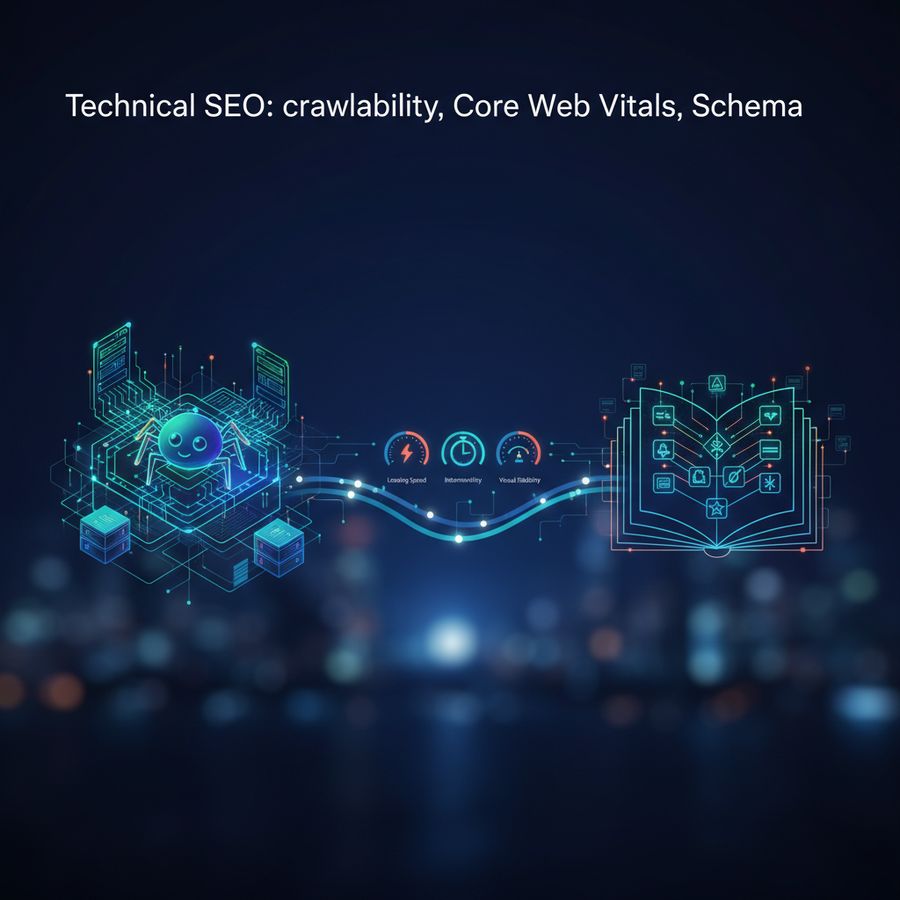
Technical SEO forms the backbone of a robust SEO checklist for 2026. It ensures that search engines can efficiently crawl, index, and understand your website while delivering a seamless user experience. Three core technical areas demand attention: crawlability, Core Web Vitals, and schema markup.
Crawlability refers to the ability of search engine bots to access and navigate your website’s pages without obstacles. Optimizing crawlability involves maintaining a clean and logical site architecture, using robots.txt files correctly, and avoiding duplicate content or broken links. Proper XML sitemaps play a pivotal role in guiding crawlers to all important pages, thereby enhancing indexation.
Core Web Vitals have become official ranking signals, focusing on user experience metrics such as page loading performance (Largest Contentful Paint), interactivity (First Input Delay), and visual stability (Cumulative Layout Shift). Websites must prioritize fast loading speeds, responsive interactions, and stable layouts to meet user expectations and retain visitors. Optimizing images, leveraging caching, and reducing unnecessary scripts are practical steps to improve these metrics.
Incorporating schema markup (structured data) allows search engines to better interpret your content and present rich snippets in search results. This can include product information, reviews, FAQs, events, and more, which enhances visibility and click-through rates. Using JSON-LD format is the recommended method for schema implementation in 2026.
“Technical SEO is the foundation that supports all other SEO efforts by ensuring your site is accessible, fast, and clearly understood by search engines.”
Addressing these technical elements guarantees that your website not only meets modern search engine requirements but also delivers superior user experiences critical for sustainable ranking success.
Content freshness: updates, Pruning, Topical authority
Maintaining content freshness is a vital component of the SEO checklist for 2026. Search engines increasingly reward websites that regularly update their content to remain relevant and authoritative within their niche. This means revisiting existing content to update facts, enhance clarity, and optimize for new keywords or trends.
Content updates signal to search engines that your site is active and trustworthy. This can involve adding new sections, improving multimedia elements, or refining user engagement features. Consistent updates keep your content aligned with the latest industry developments and user expectations.
Pruning refers to the process of identifying and removing or consolidating outdated, thin, or underperforming content. This practice helps eliminate content that may dilute your site’s authority and clutter user experience. It also encourages stronger internal linking by focusing on high-quality pages.
Building topical authority requires a strategic approach to content creation and management. By covering a topic comprehensively with well-researched, interconnected content pieces, your site positions itself as a trusted resource. This boosts rankings and improves user trust, leading to higher engagement and conversion rates.
“Fresh, well-maintained content not only attracts search engines but also engages and retains your audience effectively.”
Regularly updating, pruning, and expanding your content portfolio is essential to sustaining SEO performance and reinforcing your website’s authority in a competitive digital landscape.
Backlinks and digital PR basics
Backlinks remain one of the most influential ranking factors in the SEO checklist for 2026. They act as endorsements from other websites, signaling trustworthiness and authority to search engines. A well-rounded backlink profile can dramatically improve your site’s domain authority and organic rankings.
However, quality far outweighs quantity. Backlinks from authoritative, relevant, and trustworthy sources hold the most value. Avoiding spammy or low-quality links is critical to prevent penalties. Conducting regular backlink audits helps maintain a clean link profile and disavow harmful links if necessary.
Digital PR is an effective strategy to earn high-quality backlinks by promoting your brand and content through media outreach, influencer collaborations, and newsworthy campaigns. Engaging storytelling and unique data insights increase your chances of coverage and natural backlinks.
Building relationships with industry journalists, bloggers, and thought leaders can amplify your content’s reach and credibility. Additionally, leveraging social media platforms to distribute your content enhances visibility and backlink opportunities.
“Strategic backlink acquisition combined with proactive digital PR efforts strengthens your site’s authority and search engine trust.”
Incorporating backlinks and digital PR into your SEO checklist ensures your website gains the external validation necessary for sustained search engine success.
Conclusion
The SEO checklist for 2026 outlined here integrates essential strategies across keyword research, on-page optimization, technical SEO, content freshness, and link-building. To remain competitive and rank-ready, businesses must adopt a holistic approach that emphasizes user intent, technical excellence, and content authority.
Staying updated with evolving ranking factors such as Core Web Vitals and schema, while continuously refining content and backlink profiles, will position websites for sustained growth and visibility. Remember, SEO is not a one-time task but an ongoing process that requires regular auditing, updating, and adapting to changes in search engine algorithms and user behavior.
“Successful SEO in 2026 is the synergy of data-driven keyword strategies, meticulous on-page and technical optimizations, fresh authoritative content, and powerful backlink acquisition.”
By following this comprehensive SEO checklist, marketers and website owners can confidently build websites that are not only rank-ready but also equipped to deliver exceptional user experiences and business results in the years ahead.
Leave a Reply